

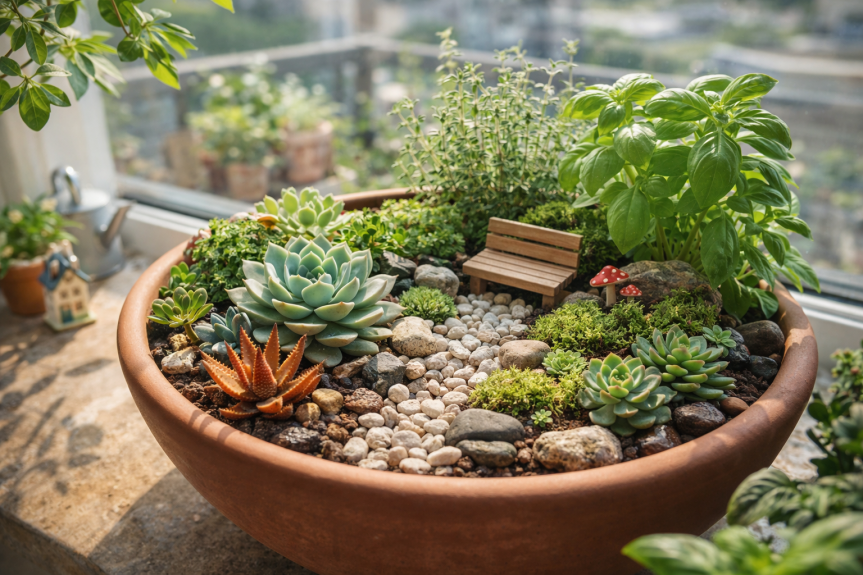
Creare un minigiardino è un modo semplice e creativo per portare la natura negli spazi quotidiani, anche quando si dispone di poco spazio. Che si tratti di un balcone, di un davanzale o di un angolo della casa, un minigiardino permette di coltivare piante ornamentali, aromatiche o succulente, trasformando anche gli ambienti più piccoli in … Continua a leggere Come costruire un minigiardino
Autore: Dr. Prisa Domenico
Doctor of Philosophy - PhD, Crop Science Production (S.Anna-School of advances studies)
Master of Science (MSc), Plant and Microbial Biotechnology (Pisa University)
Master in Europrogettazione e Project Management
IUCN Species Survival Commission (SSC), Cactus and Succulent Plant Specialist Group member
British cactus and succulent society member
Primo Ricercatore del CREA Orticoltura e Florovivaismo di Pescia (PT) - Senior researcher
Cacti and succulents studies
Microorganisms and rhizosphere research
Biofertilizers application
Xeriscaping
Contatti:
mail: domenico.prisa@crea.gov.it
cel: 3391062935
Dalla rarità ornamentale alla pianta strategica: il cambio di paradigma delle succulente

Per lungo tempo le piante succulente sono state considerate semplici curiosità botaniche, apprezzate per le loro forme insolite e per la capacità di sopravvivere in ambienti estremi. Spesso associate a collezionisti o a nicchie di appassionati, erano viste come elementi decorativi esotici più che come protagoniste del paesaggio o dell’agricoltura. Oggi, però, questo scenario sta … Continua a leggere Dalla rarità ornamentale alla pianta strategica: il cambio di paradigma delle succulente
Come avviene il riconoscimento tra piante e microrganismi utili nel suolo
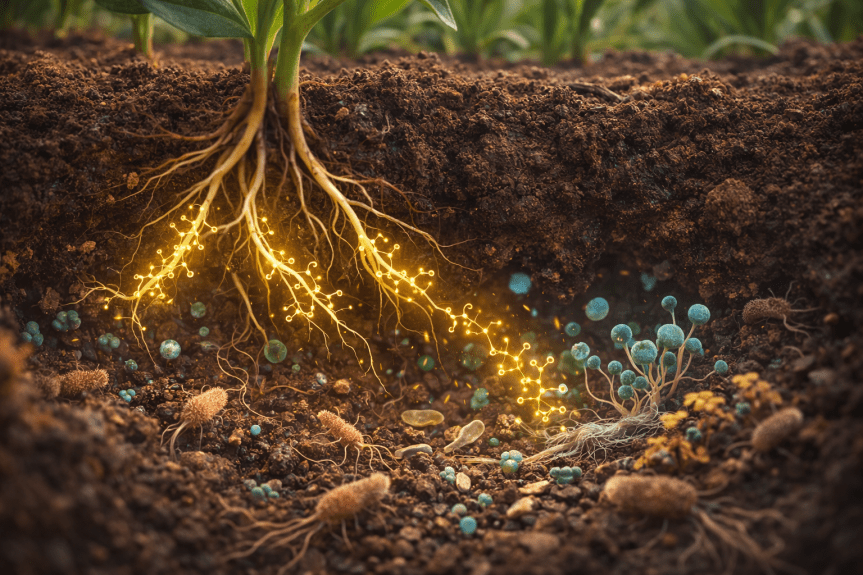
Il suolo è molto più di un semplice supporto per le piante. È un ecosistema complesso e dinamico, abitato da miliardi di microrganismi che interagiscono tra loro e con le radici. Tra queste interazioni, una delle più affascinanti è il riconoscimento tra piante e microrganismi utili, un processo fondamentale per la crescita, la salute e … Continua a leggere Come avviene il riconoscimento tra piante e microrganismi utili nel suolo
Le piante bulbose nei giardini storici europei
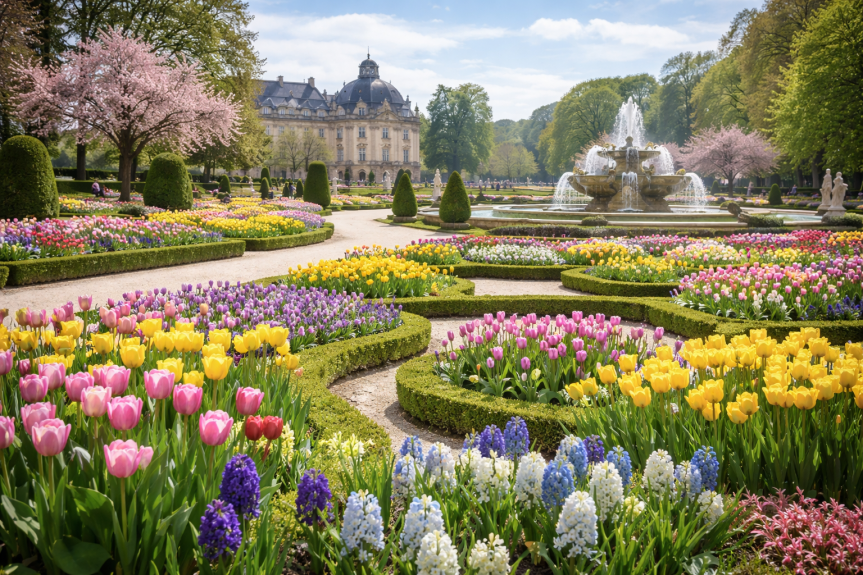
Le piante bulbose occupano un posto speciale nella storia dei giardini europei. Con la loro fioritura spettacolare e spesso stagionale, hanno contribuito a definire estetiche, simboli e tradizioni che ancora oggi influenzano il design del verde. Tulipani, narcisi, giacinti e crochi non sono solo elementi decorativi, ma protagonisti di una storia che intreccia botanica, arte … Continua a leggere Le piante bulbose nei giardini storici europei
Perché alcune piante crescono meglio di altre
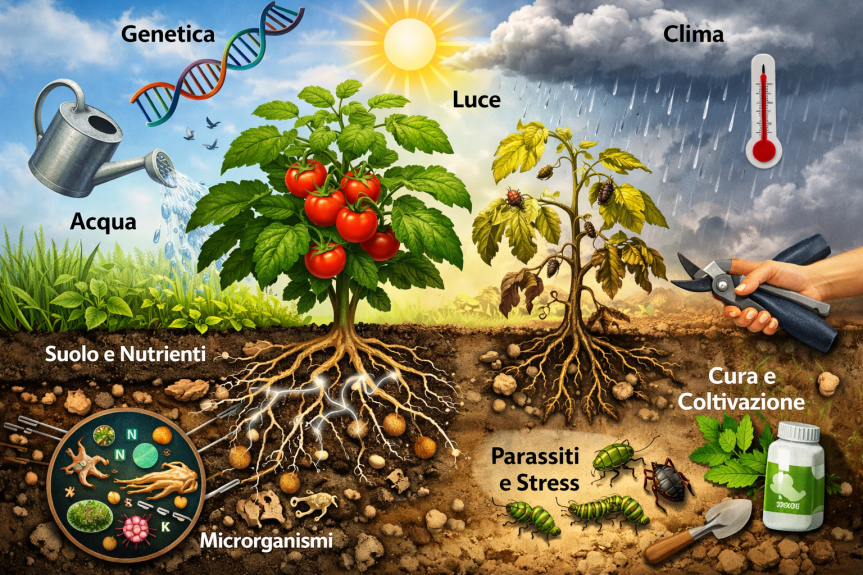
Osservando un giardino, un campo coltivato o anche semplicemente delle piante sul balcone, è facile notare una cosa: non tutte crescono allo stesso modo. Alcune sono rigogliose, verdi e forti, mentre altre appaiono deboli, lente o addirittura malate. Ma da cosa dipende questa differenza? La risposta è complessa e coinvolge diversi fattori biologici, ambientali e … Continua a leggere Perché alcune piante crescono meglio di altre
Le piante officinali nella tradizione popolare italiana
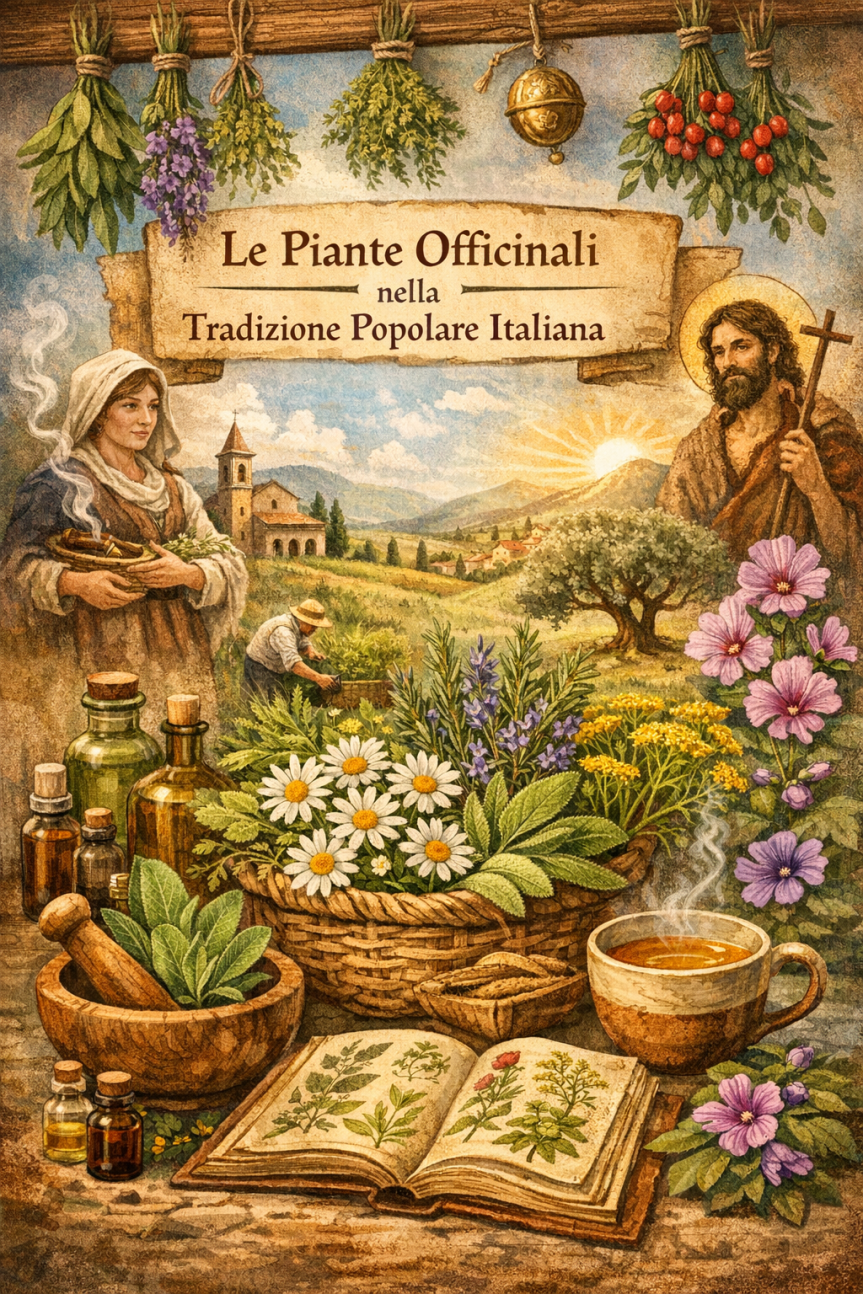
Le piante officinali rappresentano uno degli elementi più affascinanti e radicati nella tradizione popolare italiana. Prima dell’avvento della medicina moderna, il sapere sulle erbe costituiva una vera e propria forma di conoscenza tramandata oralmente, spesso custodita da figure come le “guaritrici”, le levatrici e gli anziani dei villaggi. Questo patrimonio culturale, ricco di osservazioni empiriche … Continua a leggere Le piante officinali nella tradizione popolare italiana
Il privilegio di collaborare con aziende private in agricoltura nello sviluppo di prodotti utili alla coltivazione delle piante

Nel panorama agricolo contemporaneo, caratterizzato da sfide globali come il cambiamento climatico, la scarsità di risorse e la crescente domanda di cibo, la collaborazione tra ricerca scientifica e aziende private rappresenta una delle leve più importanti per l’innovazione. In particolare, lavorare a stretto contatto con imprese del settore agricolo per sviluppare prodotti utili alla coltivazione … Continua a leggere Il privilegio di collaborare con aziende private in agricoltura nello sviluppo di prodotti utili alla coltivazione delle piante
Aromatiche per principianti: 10 specie facili da coltivare
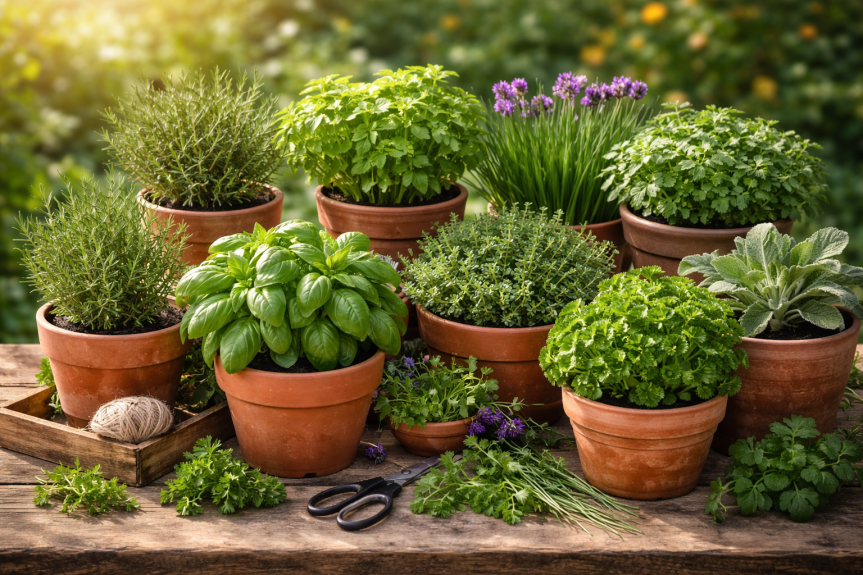
Coltivare piante aromatiche è uno dei modi più semplici e gratificanti per avvicinarsi al mondo del giardinaggio. Che si disponga di un giardino, di un balcone o anche solo di un davanzale, le erbe aromatiche offrono profumo, sapore e bellezza con poche cure. Inoltre, permettono di avere sempre a disposizione ingredienti freschi per la cucina. … Continua a leggere Aromatiche per principianti: 10 specie facili da coltivare
Frutta e verdura di stagione: perché scegliere ciò che la natura offre al momento giusto

Mangiare frutta e verdura di stagione è una pratica antica, profondamente legata ai ritmi naturali e alle tradizioni agricole. Oggi, in un mondo globalizzato dove è possibile trovare qualsiasi alimento in qualsiasi periodo dell’anno, questa abitudine sta tornando al centro dell’attenzione, grazie alla crescente consapevolezza sull’importanza della sostenibilità, della salute e della qualità del cibo. … Continua a leggere Frutta e verdura di stagione: perché scegliere ciò che la natura offre al momento giusto
Giardini storici: come le piante ornamentali hanno modellato il paesaggio europeo

I giardini storici europei rappresentano molto più di semplici spazi verdi: sono veri e propri documenti viventi, in cui arte, botanica, politica e cultura si intrecciano. Attraverso la scelta e la disposizione delle piante ornamentali, nel corso dei secoli l’uomo ha modellato il paesaggio, trasformandolo in un’espressione estetica e simbolica del proprio tempo. Dai giardini … Continua a leggere Giardini storici: come le piante ornamentali hanno modellato il paesaggio europeo
Il linguaggio dei fiori nei giardini ornamentali
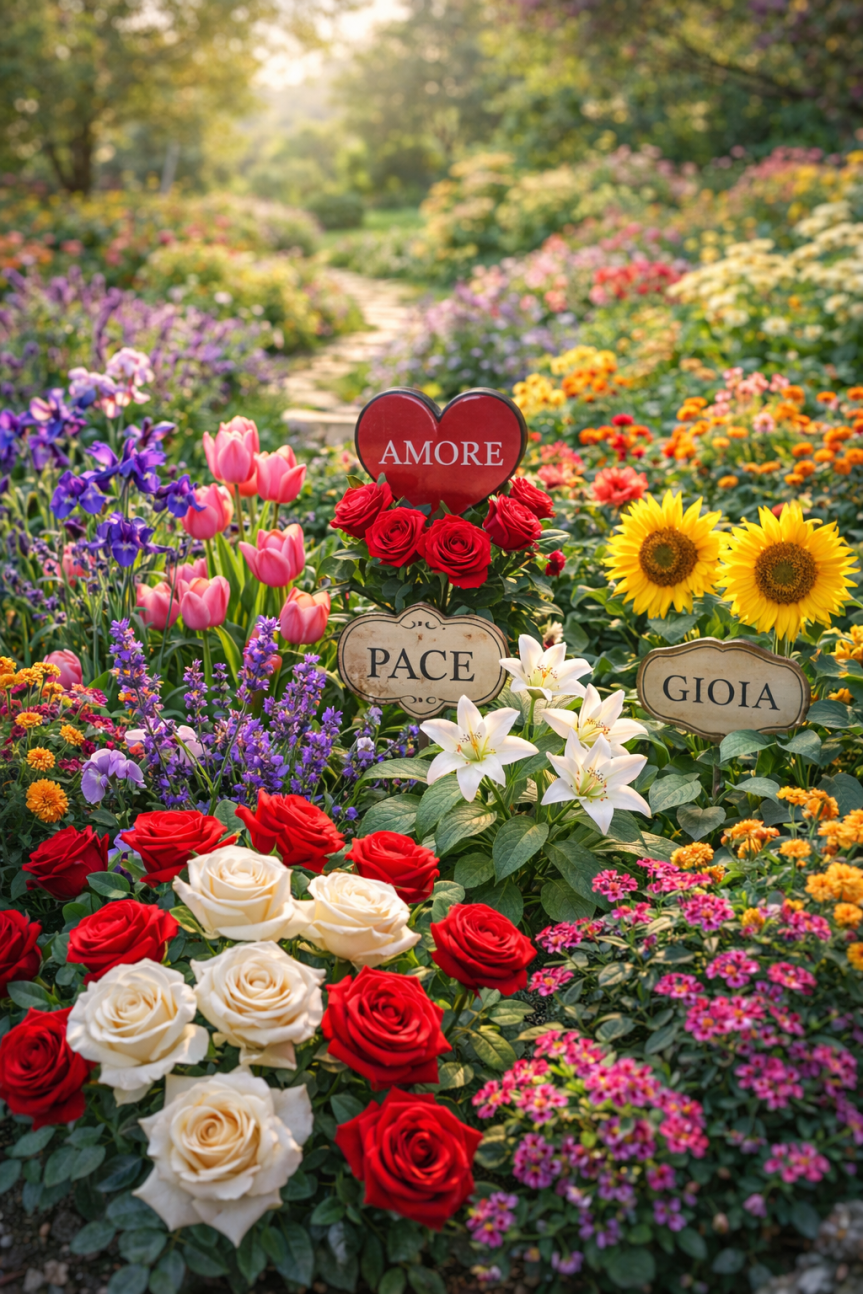
Passeggiare in un giardino ornamentale non significa soltanto ammirare colori e forme: significa anche entrare in un mondo fatto di simboli, emozioni e messaggi nascosti. Da secoli, i fiori sono utilizzati come un vero e proprio linguaggio, capace di esprimere sentimenti che spesso le parole non riescono a comunicare. Questo codice silenzioso, noto come “linguaggio … Continua a leggere Il linguaggio dei fiori nei giardini ornamentali
Simboli e tradizioni legate alle erbe aromatiche
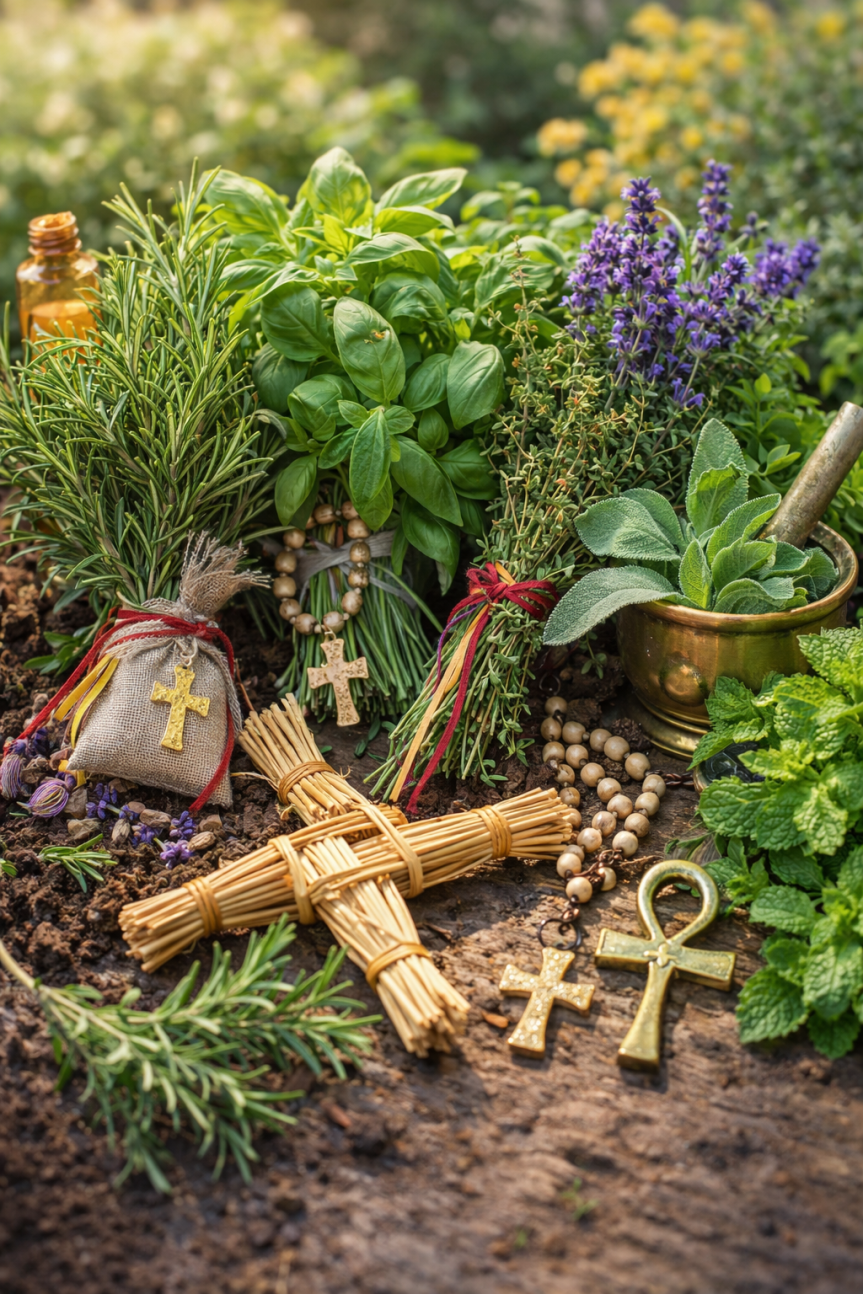
Le erbe aromatiche accompagnano la storia dell’uomo da millenni, intrecciando il loro profumo con la cultura, la spiritualità e le tradizioni di popoli diversi. Non sono solo ingredienti preziosi in cucina o rimedi naturali, ma veri e propri simboli carichi di significati, utilizzati in rituali, credenze popolari e pratiche quotidiane. Dal rosmarino alla salvia, dal … Continua a leggere Simboli e tradizioni legate alle erbe aromatiche
Applicazione di biomolecole microbiche in agricoltura sostenibile

Negli ultimi decenni, l’agricoltura si trova ad affrontare una sfida cruciale: produrre cibo in quantità sufficiente per una popolazione in crescita, riducendo al contempo l’impatto ambientale. L’uso intensivo di fertilizzanti chimici e pesticidi ha migliorato la produttività, ma ha anche generato problemi come l’inquinamento del suolo e delle acque, la perdita di biodiversità e la … Continua a leggere Applicazione di biomolecole microbiche in agricoltura sostenibile
Colori che comunicano: perché i fiori ornamentali sono così variopinti
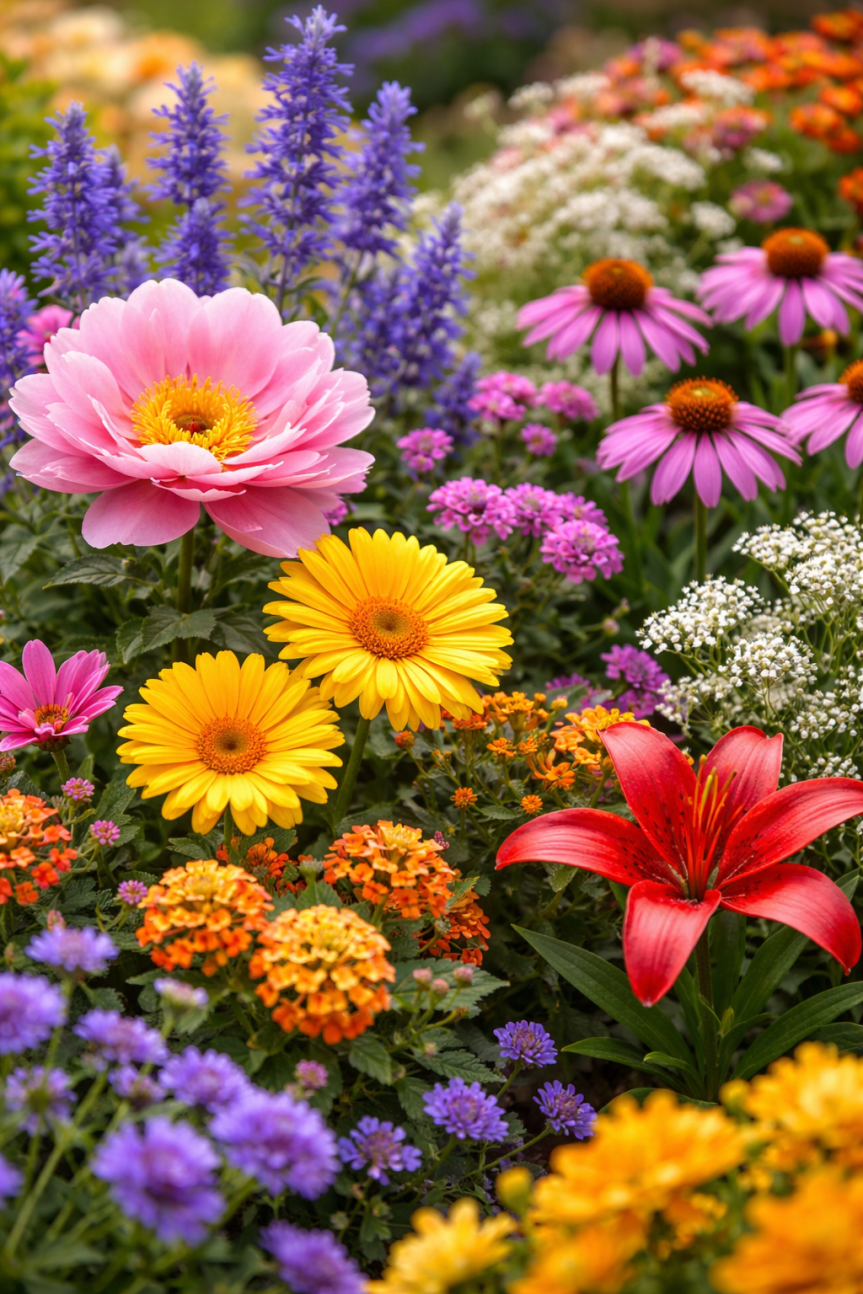
Passeggiare in un giardino in fiore significa immergersi in un universo di colori: rossi intensi, gialli luminosi, viola profondi, bianchi puri e infinite sfumature intermedie. I fiori ornamentali non sono variopinti per caso: dietro questa straordinaria diversità cromatica si nasconde un sofisticato sistema di comunicazione evolutiva, affinato nel corso di milioni di anni. I colori … Continua a leggere Colori che comunicano: perché i fiori ornamentali sono così variopinti
Le piante ornamentali più resistenti alla siccità per il clima mediterraneo
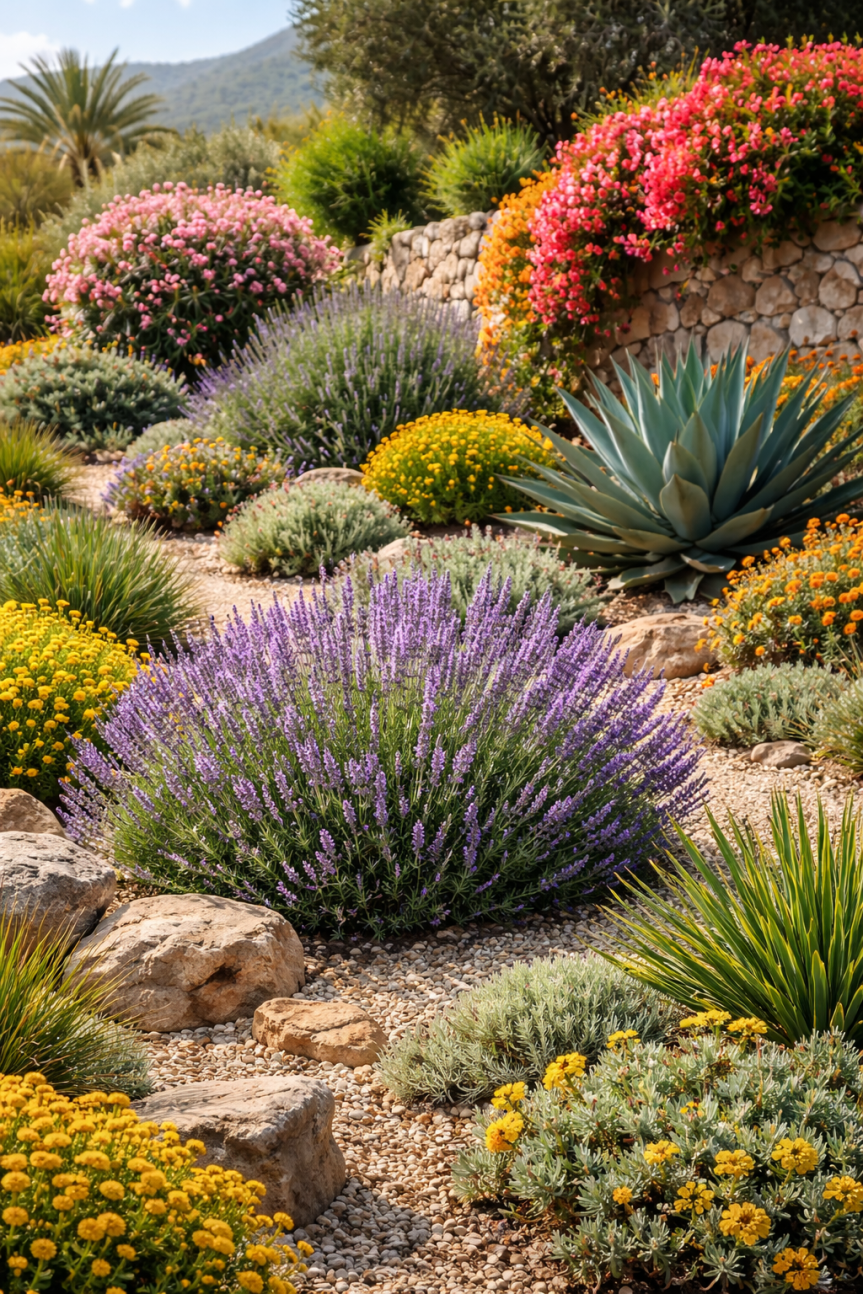
Negli ultimi anni, il cambiamento climatico e la crescente scarsità d’acqua hanno reso sempre più importante ripensare il modo in cui progettiamo giardini e spazi verdi. Nel clima mediterraneo, caratterizzato da estati calde e secche e inverni miti, la scelta di piante ornamentali resistenti alla siccità non è solo una soluzione pratica, ma anche una … Continua a leggere Le piante ornamentali più resistenti alla siccità per il clima mediterraneo
Echinopsis ibridi: la spettacolare fioritura dei cactus ornamentali
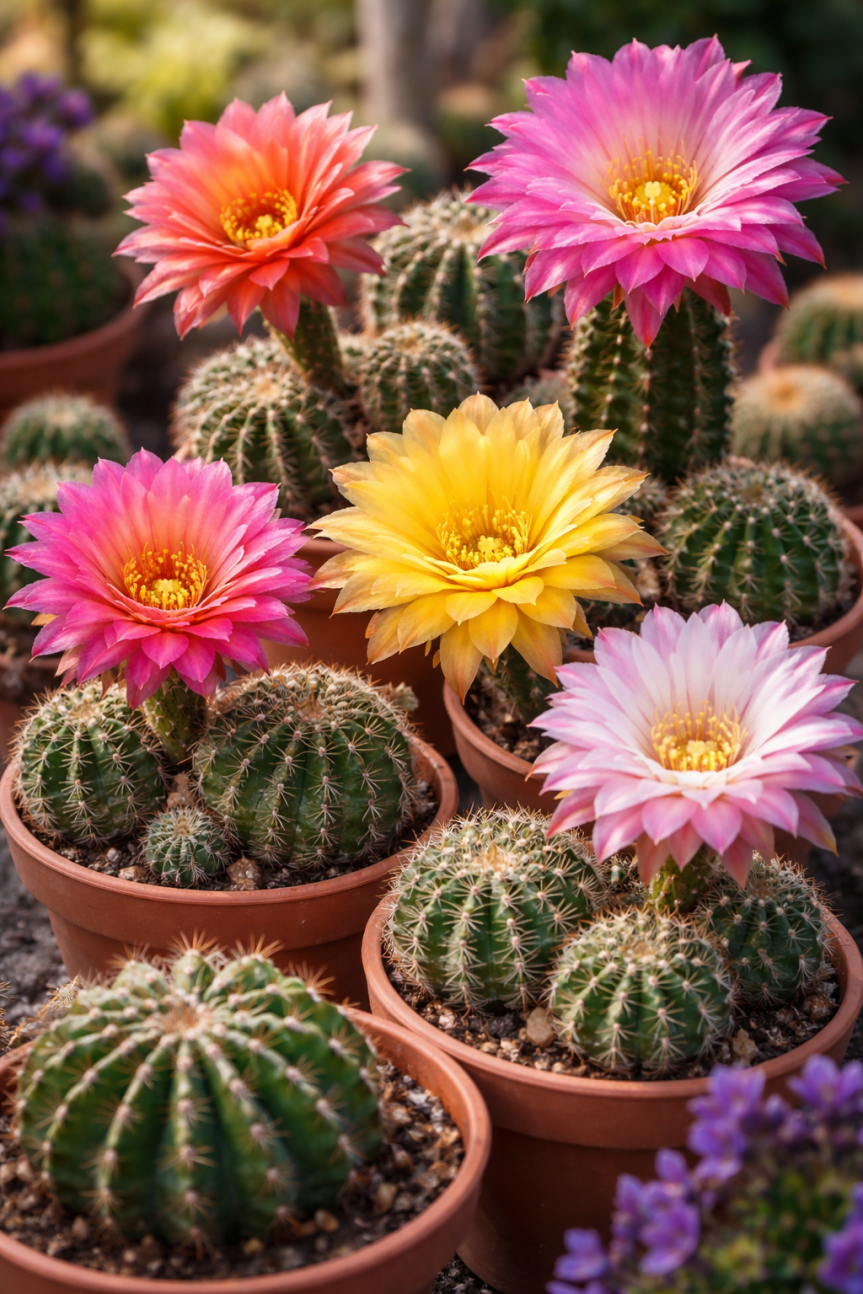
Nel mondo delle piante succulente, poche specie riescono a sorprendere quanto gli Echinopsis ibridi. Questi cactus, spesso discreti e quasi anonimi durante gran parte dell’anno, si trasformano improvvisamente in veri protagonisti grazie a fioriture spettacolari, grandi, colorate e spesso profumatissime. Sono un esempio perfetto di come la natura, con l’aiuto dell’uomo, possa generare forme di … Continua a leggere Echinopsis ibridi: la spettacolare fioritura dei cactus ornamentali
L’olivo: simbolo di pace, resilienza e cultura mediterranea
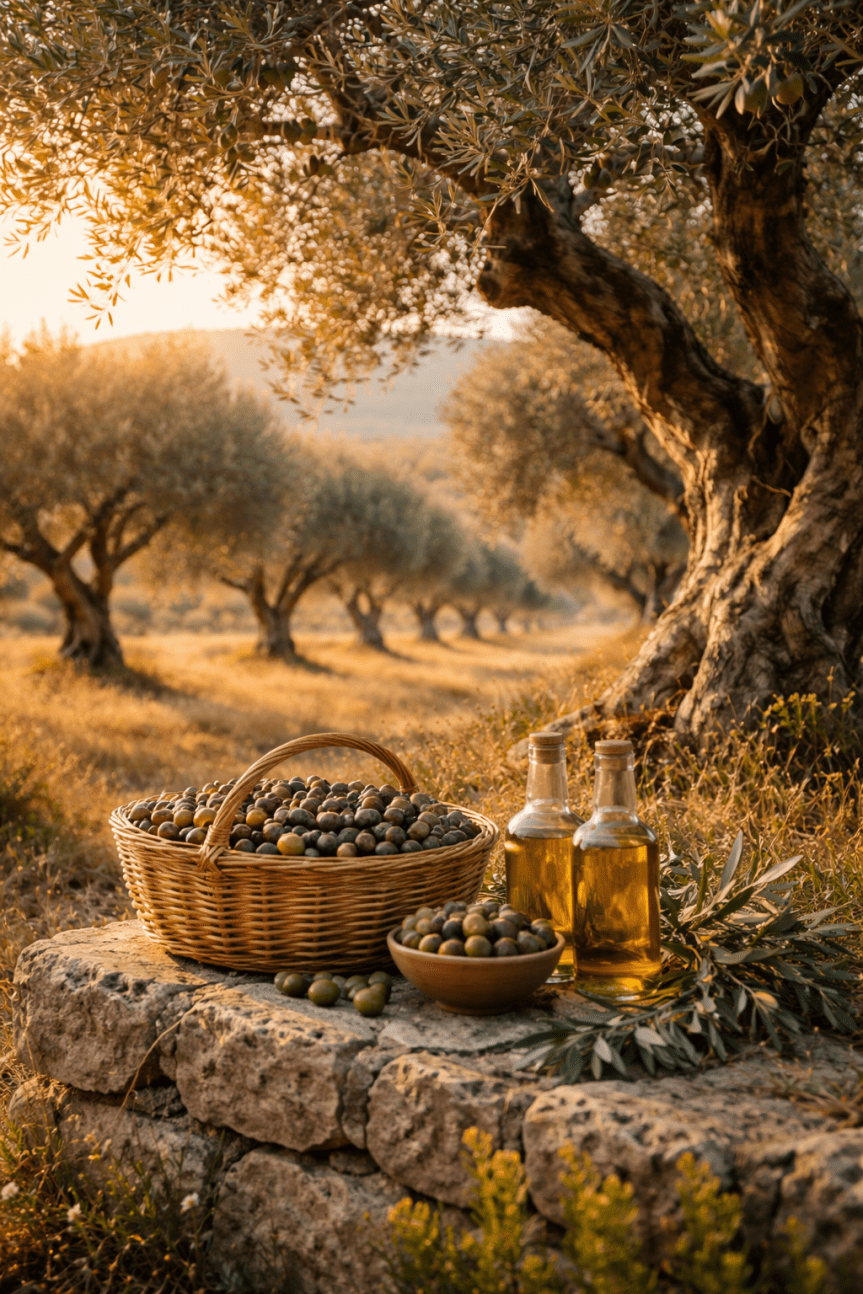
L’olivo (Olea europaea) è molto più di una semplice pianta: è un simbolo millenario che intreccia natura, storia, cultura e spiritualità. Presente da migliaia di anni nel bacino del Mediterraneo, questo albero ha accompagnato lo sviluppo delle civiltà umane, diventando una delle specie più rappresentative e preziose del paesaggio agricolo e culturale. Dalle colline italiane … Continua a leggere L’olivo: simbolo di pace, resilienza e cultura mediterranea
La lavanda: profumo, storia e bellezza di una pianta senza tempo
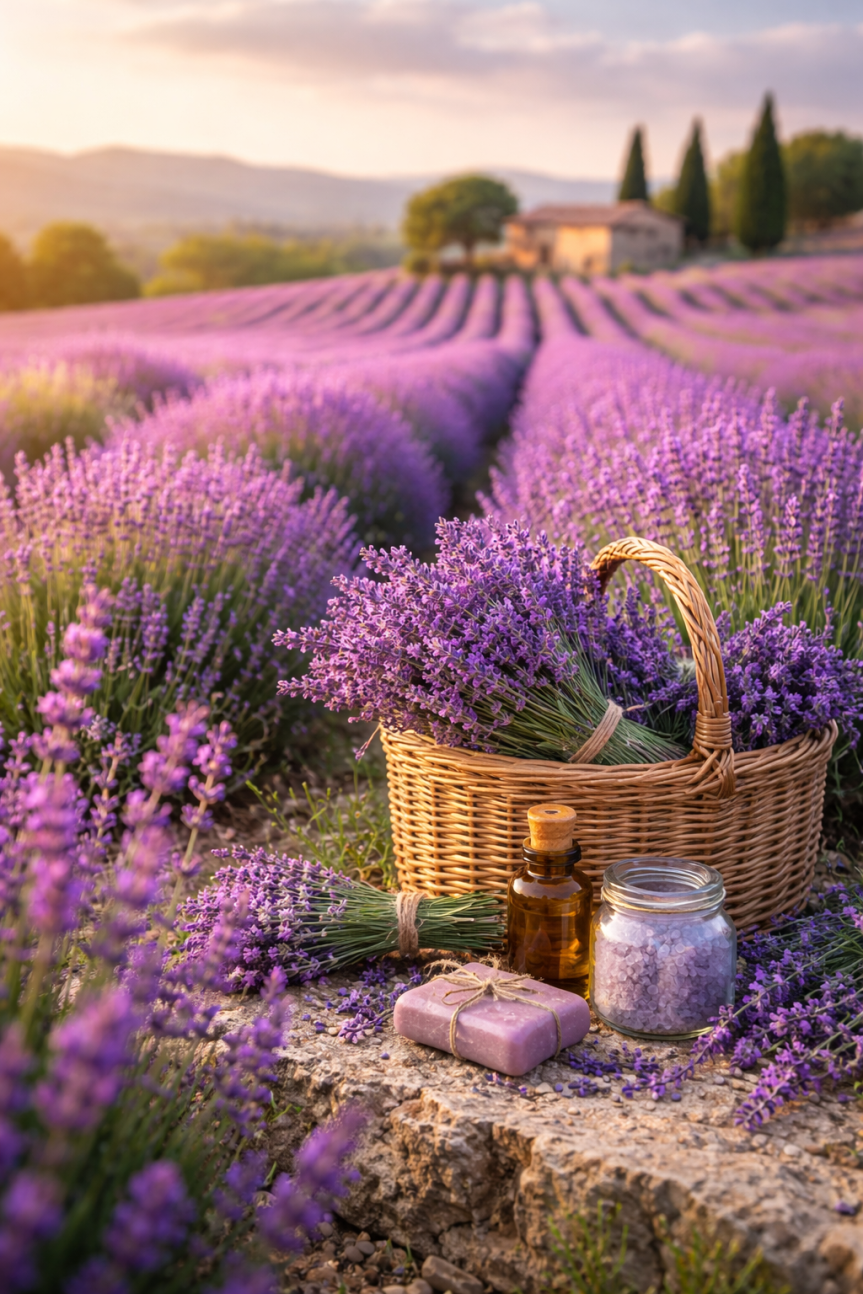
La lavanda è una delle piante più amate al mondo, capace di evocare immediatamente immagini di campi viola ondeggianti sotto il sole estivo e di diffondere un profumo inconfondibile, rilassante e avvolgente. Appartenente al genere Lavandula, questa pianta aromatica non è solo un simbolo estetico della natura mediterranea, ma anche una risorsa preziosa per la … Continua a leggere La lavanda: profumo, storia e bellezza di una pianta senza tempo
La bellezza di Erigeron karvinskianus: il fiore che danza tra pietre e vento
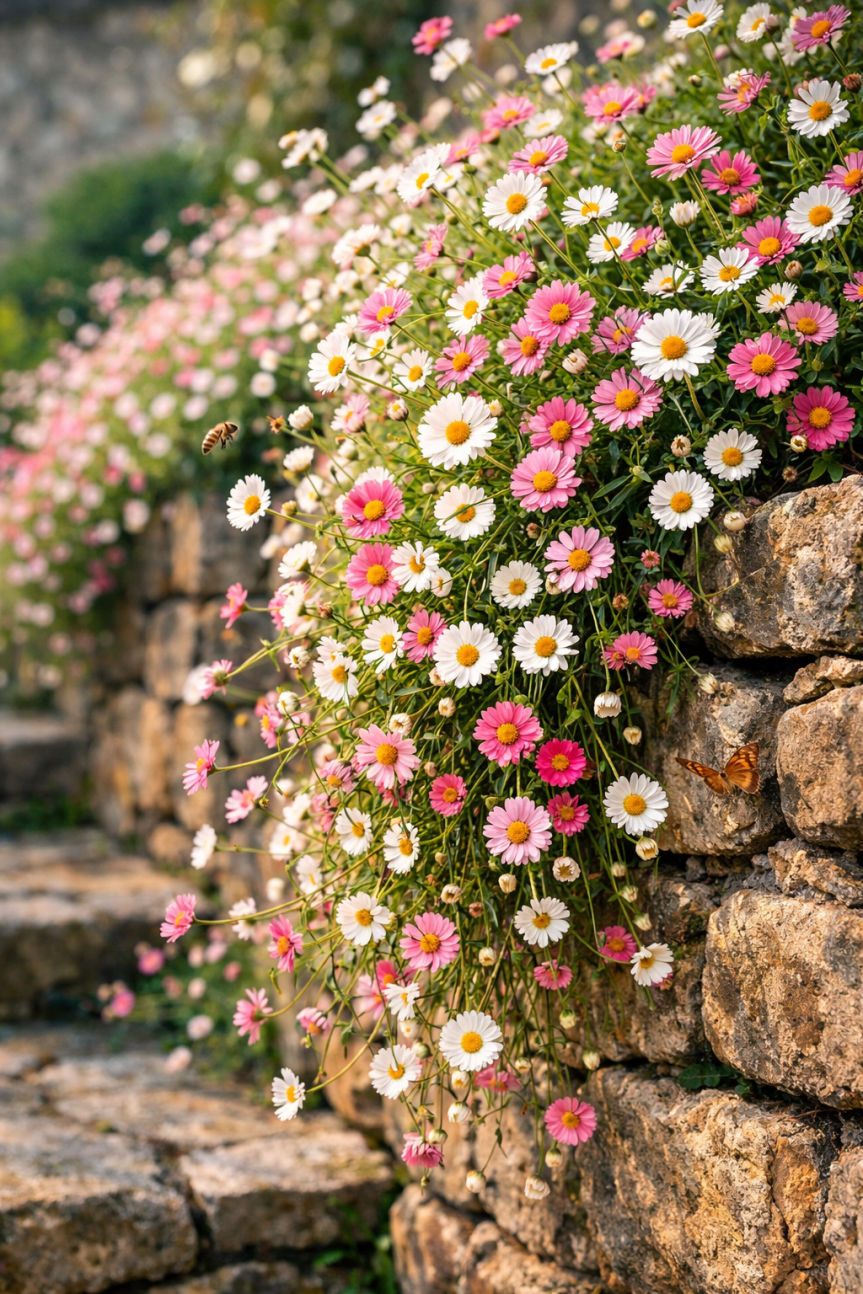
Nel vasto universo delle piante ornamentali esiste una specie capace di unire grazia spontanea, resistenza sorprendente e una bellezza delicata ma persistente: Erigeron karvinskianus, conosciuta comunemente come margherita messicana o “Santa Barbara daisy”. Questo piccolo capolavoro botanico è molto più di un semplice fiore decorativo: è una lezione vivente di adattabilità, leggerezza e armonia con … Continua a leggere La bellezza di Erigeron karvinskianus: il fiore che danza tra pietre e vento
Ammendanti in agricoltura: il segreto per rigenerare e mantenere un suolo fertile

Gli ammendanti rappresentano uno degli strumenti più importanti, ma spesso poco conosciuti, per migliorare la qualità del suolo in agricoltura. In un’epoca in cui la fertilità dei terreni è sempre più minacciata da pratiche intensive, cambiamenti climatici ed erosione, comprendere cosa sono gli ammendanti e come funzionano è fondamentale per costruire sistemi agricoli più sostenibili … Continua a leggere Ammendanti in agricoltura: il segreto per rigenerare e mantenere un suolo fertile
Estratti vegetali e difesa naturale: come le piante proteggono le colture dagli insetti fitopatogeni
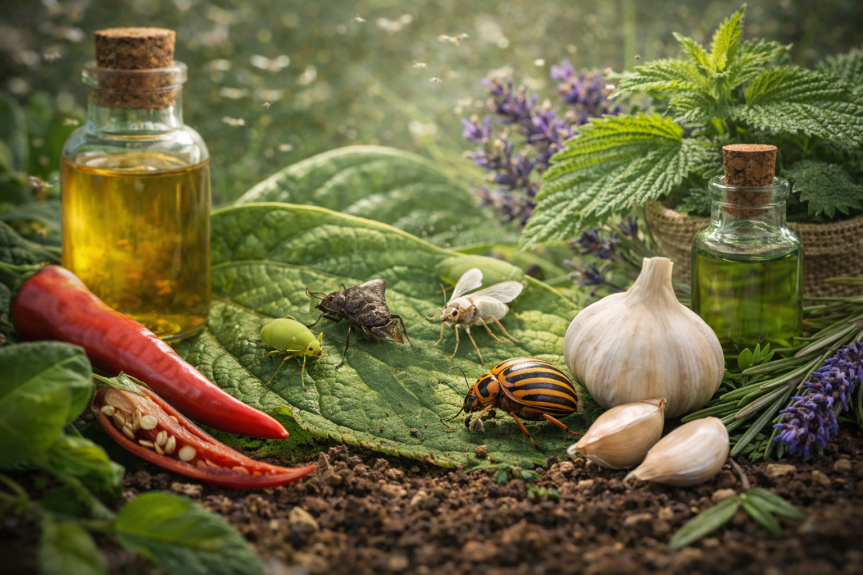
L’uso degli estratti vegetali come repellenti degli insetti fitopatogeni sta attirando crescente attenzione nel mondo dell’agricoltura sostenibile. In un contesto in cui l’impatto ambientale dei pesticidi chimici è sempre più sotto scrutinio, le soluzioni di origine naturale rappresentano un’alternativa promettente, capace di coniugare efficacia, sicurezza e rispetto degli ecosistemi. Ma cosa sono esattamente questi estratti? … Continua a leggere Estratti vegetali e difesa naturale: come le piante proteggono le colture dagli insetti fitopatogeni
Come nasce un suolo fertile
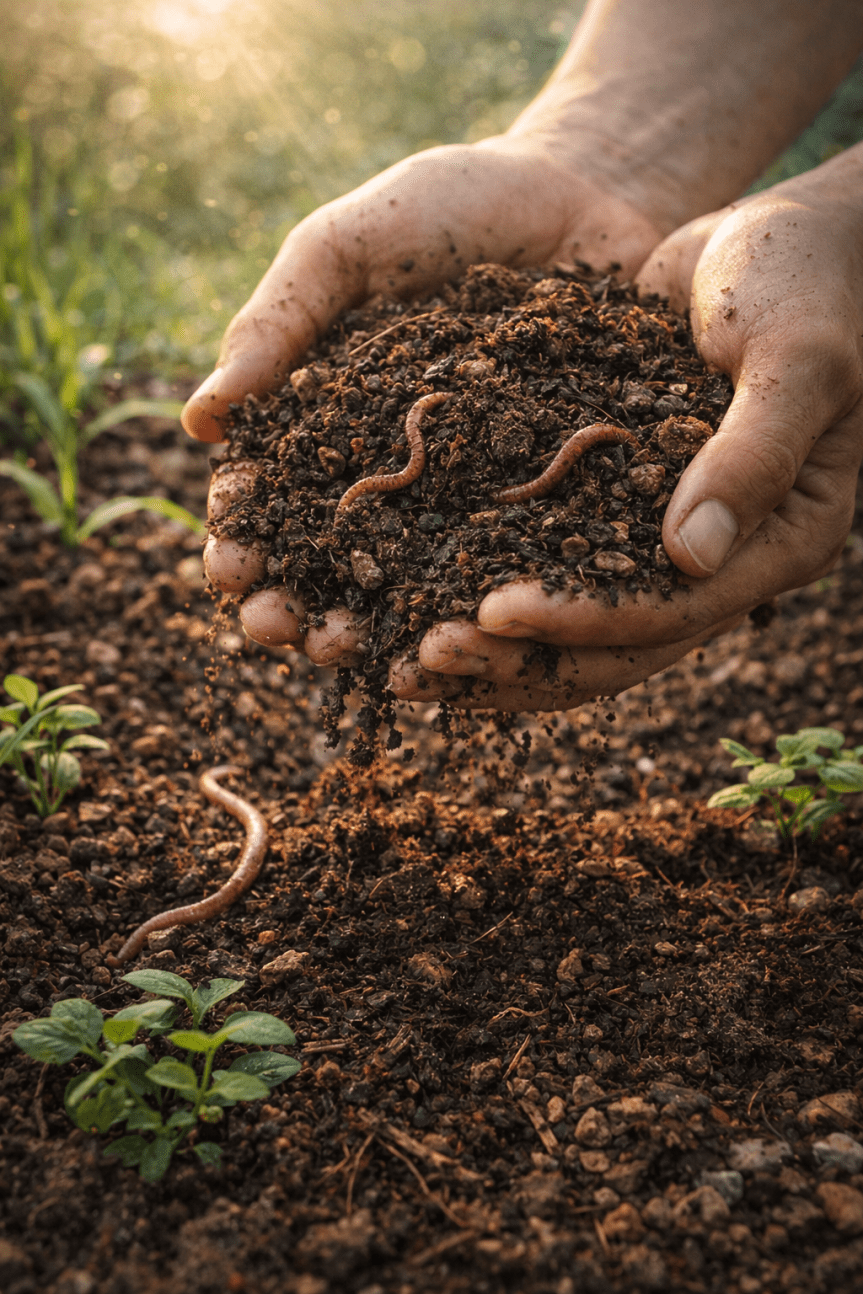
Il suolo fertile è uno degli elementi più preziosi e al tempo stesso più sottovalutati del nostro pianeta. Camminiamo sopra di esso ogni giorno, coltiviamo il nostro cibo grazie ad esso, ma raramente ci fermiamo a pensare a come si forma. In realtà, un suolo fertile non nasce rapidamente: è il risultato di processi complessi, … Continua a leggere Come nasce un suolo fertile
Il falso mito delle succulente “che non hanno bisogno di cure”
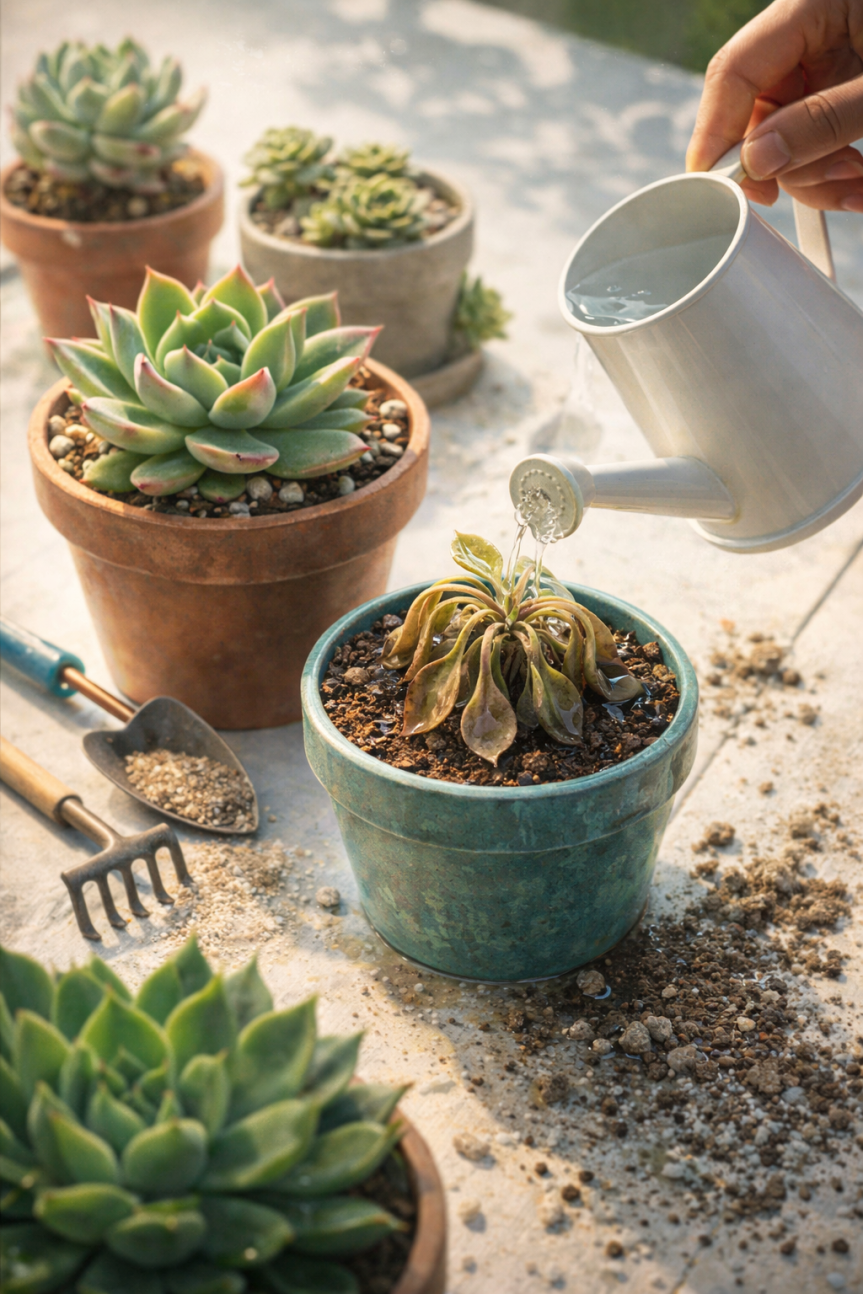
Le piante succulente sono spesso considerate le regine della “facilità”: resistenti, decorative e, soprattutto, quasi autonome. Quante volte si sente dire che “non hanno bisogno di cure”? Questa convinzione, molto diffusa, ha contribuito alla loro enorme popolarità negli ultimi anni. Tuttavia, si tratta di un falso mito. Le succulente non sono piante “immortali” né indifferenti … Continua a leggere Il falso mito delle succulente “che non hanno bisogno di cure”
La pianta grande che si prende cura della pianta piccola

Nel mondo vegetale, spesso percepito come silenzioso e statico, si nascondono dinamiche sorprendenti che mettono in discussione la nostra idea di “individualità” delle piante. Tra queste, una delle più affascinanti è la capacità di alcune piante grandi di sostenere e favorire la crescita di piante più piccole. Questo fenomeno, che può sembrare quasi un atto … Continua a leggere La pianta grande che si prende cura della pianta piccola
Antagonismo in microbiologia: cosa è e come funziona

L’antagonismo in microbiologia è un fenomeno fondamentale che descrive l’interazione competitiva tra microrganismi. In un mondo invisibile ma estremamente dinamico, batteri, funghi e altri microbi convivono nello stesso ambiente e competono per risorse limitate come nutrienti e spazio. Questa competizione non è passiva: spesso si manifesta attraverso strategie attive di difesa e attacco, che hanno … Continua a leggere Antagonismo in microbiologia: cosa è e come funziona
Ti sei mai chiesto perchè hai la passione per le piante?

Ti sei mai chiesto perché alcune persone sviluppano una vera e propria passione per le piante? Non si tratta solo di un hobby o di una moda: il legame tra esseri umani e mondo vegetale è profondo, radicato nella nostra evoluzione, nella psicologia e persino nella cultura. Prendersi cura di una pianta, osservare una foglia … Continua a leggere Ti sei mai chiesto perchè hai la passione per le piante?
Succulente come modelli biologici per il Mediterraneo che si desertifica

Le piante succulente, spesso associate a paesaggi desertici lontani, stanno assumendo un ruolo sempre più rilevante anche nel bacino del Mediterraneo. In un’epoca segnata da cambiamenti climatici accelerati, aumento delle temperature e riduzione delle precipitazioni, queste piante rappresentano non solo una soluzione estetica e funzionale, ma anche un vero e proprio modello biologico per comprendere … Continua a leggere Succulente come modelli biologici per il Mediterraneo che si desertifica
La vita segreta della rizosfera: il mondo invisibile che nutre le piante
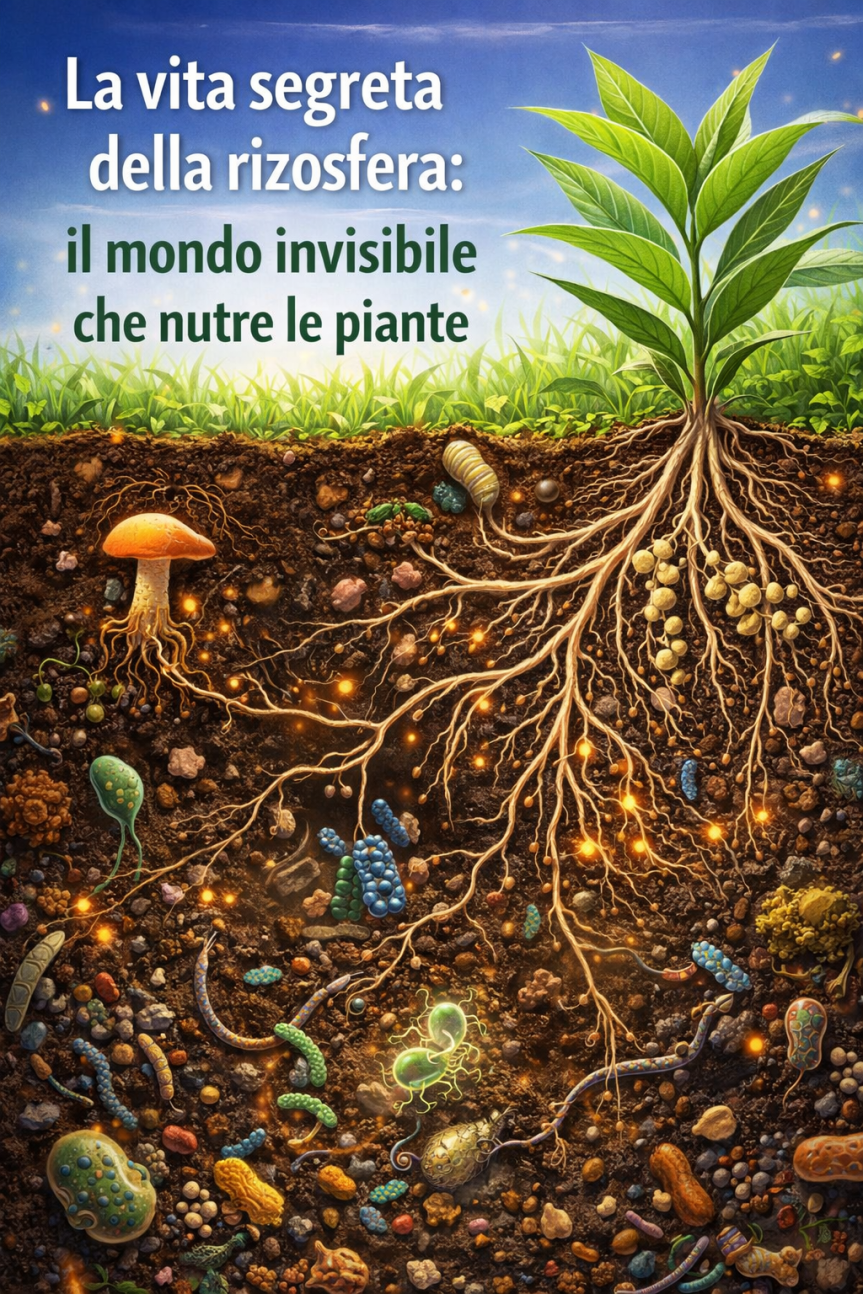
La rizosfera è uno degli ambienti più affascinanti e complessi del pianeta, eppure resta invisibile ai nostri occhi. Si tratta della sottile porzione di suolo che circonda le radici delle piante, un microcosmo dinamico dove avvengono interazioni fondamentali per la vita terrestre. Qui si sviluppa una vera e propria “rete sotterranea” fatta di microrganismi, nutrienti … Continua a leggere La vita segreta della rizosfera: il mondo invisibile che nutre le piante
Succulente e cactacee: la rivoluzione verde delle aiuole urbane sostenibili

Le piante succulente e le cactacee stanno conquistando sempre più spazio nelle città moderne, trasformando aiuole urbane un tempo anonime in piccoli ecosistemi resilienti, sostenibili ed esteticamente affascinanti. In un contesto segnato da cambiamenti climatici, scarsità d’acqua e necessità di ridurre i costi di manutenzione del verde pubblico, queste piante rappresentano una soluzione intelligente e … Continua a leggere Succulente e cactacee: la rivoluzione verde delle aiuole urbane sostenibili
Piante ornamentali e biodiversità: alleate preziose per gli insetti impollinatori

Giardini, balconi e spazi verdi urbani sono spesso pensati come luoghi estetici, progettati per offrire colori, forme e profumi piacevoli. Ma negli ultimi anni sta emergendo una nuova consapevolezza: le piante ornamentali non sono solo decorative, possono anche svolgere un ruolo fondamentale nella tutela della biodiversità. In particolare, possono diventare un vero rifugio per gli … Continua a leggere Piante ornamentali e biodiversità: alleate preziose per gli insetti impollinatori
 TECNICHE INNOVATIVE PER LA COLTIVAZIONE E DIFESA DELLE PIANTE, L'APICOLTURA, LA ZOOTECNIA E IL RISANAMENTO AMBIENTALE