


Valutazione caduta varroe con gel potassico in Veneto. Trattamento effettuato dopo blocco di covata e trattamento con acido ossalico. Dopo 5 giorni inserimento del gel potassico per un mese circa (Caduta continua) Ringrazio gli apicoltori professionisti e non che si cimentano nella valutazione.
Tag: Effective Microorganisms
Uso degli Effective Microorganisms per il miglioramento qualitativo di bulbi e piante di tulipano

Dopo aver effettuato la sperimentazione nel progetto Wander&Pick sull'uso di Microrganismi per il miglioramento qualitativo di tulipano, la prova verrà nuovamente effettuata in condizioni controllate, per riconfermare gli effetti positivi già ottenuti. Valutazione su: - dimensioni bulbi - sviluppo radicale - sviluppo vegetativo - tempo e durata fiorale - intensità del colore dei fiori - … Continua a leggere Uso degli Effective Microorganisms per il miglioramento qualitativo di bulbi e piante di tulipano
Effective Microorganisms per il miglioramento qualitativo di kalanchoe daigremontiana
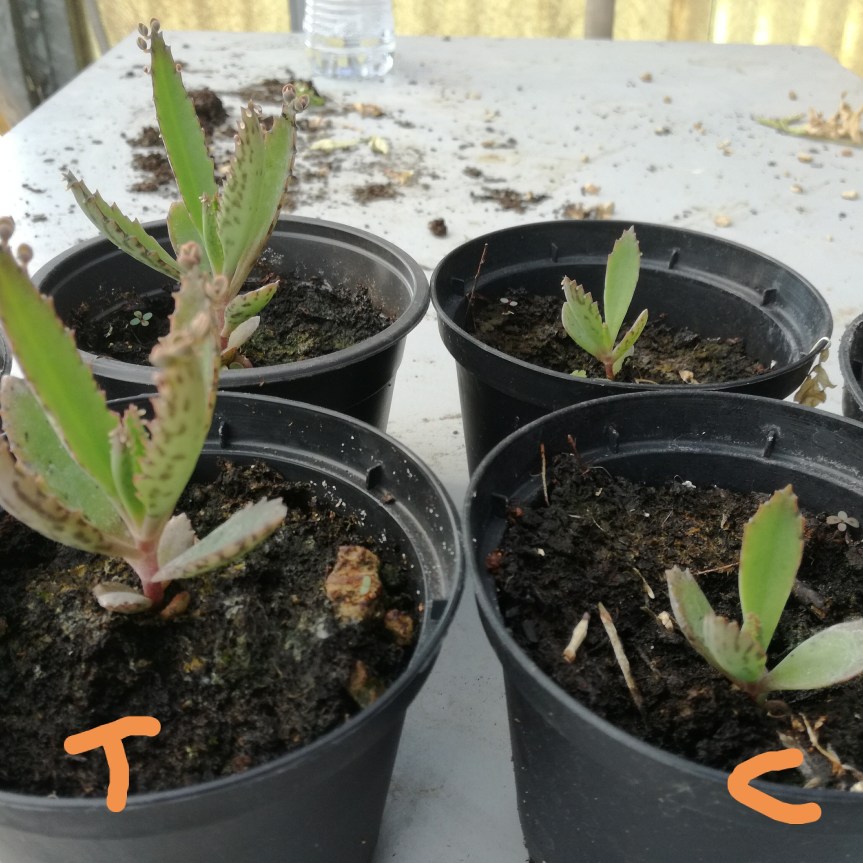
Kalanchoe daigremontiana è una pianta della famiglia delle Crassulaceae, originaria del sud-est del Madagascar dove cresce sulle pendici del monte Androhibolava. È una pianta molto robusta, con un portamento eretto, fusto semplice o poco ramificato, alto fino ad un metro. Le foglie, lunghe fino a 20 centimetri, leggermente dentate ai margini, presentano la pagina superiore … Continua a leggere Effective Microorganisms per il miglioramento qualitativo di kalanchoe daigremontiana
Libro: Effective Microorganisms (EM) nel processo di compostaggio

di Domenico Prisa Il compostaggio è un processo biologico di tipo aerobico nel corso del quale i microrganismi presenti nell’ambiente attaccano e degradano la sostanza organica contenuta nelle materie prime utilizzate nella preparazione della miscela avviata alla decomposizione. Si crea quindi un vero e proprio sistema vivente che in natura si evolve spontaneamente; esempi di … Continua a leggere Libro: Effective Microorganisms (EM) nel processo di compostaggio
Article: Rhizobacteria and zeolites for overcoming saline stress in the cultivation of succulent plants

Abstract The aim of the research was to improve the growth and quality of plants of Euphorbia milii and Crassula ovata, using substrates with added zeolites and Effective microorganisms and assess whether there was the possibility of alleviate stress caused by the presence of NaCl. The experiment on Euphorbia and Crassula plant involved three theses: … Continua a leggere Article: Rhizobacteria and zeolites for overcoming saline stress in the cultivation of succulent plants
Effective microorganisms per la coltivazione di cipolla
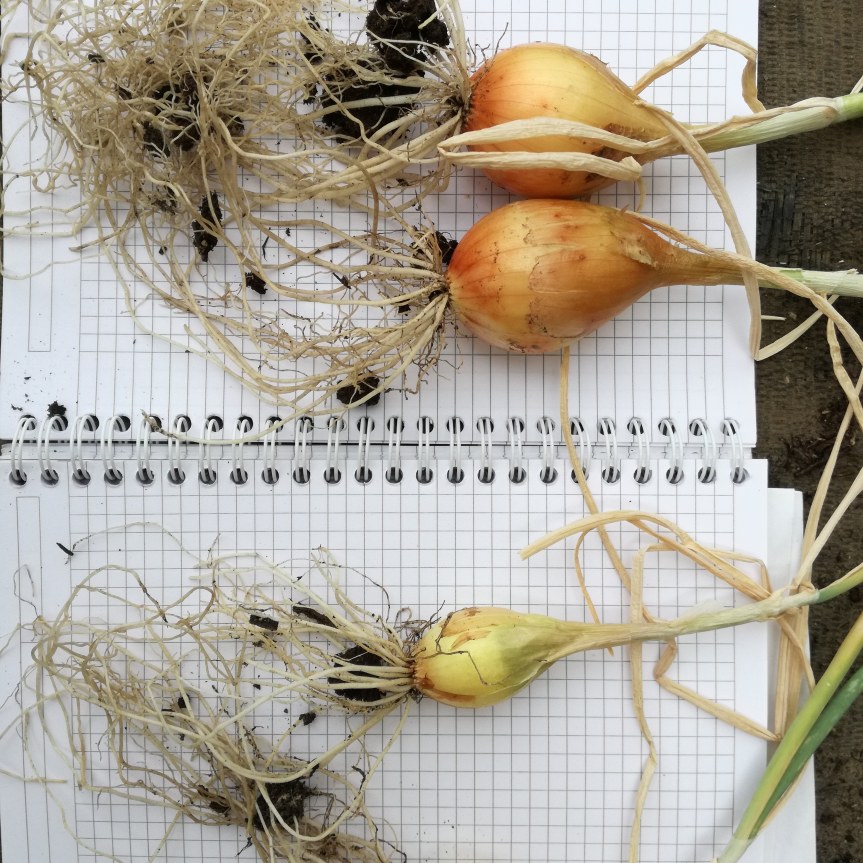
Valutazione di rizobatteri per: - cipolla di tropea - cipolla fiascona di Firenze - cipolla dorata - cipolla bianca Incremento significativo del peso totale della pianta, sviluppo radicale e diametro del bulbo nelle piante trattate con Effective Microorganisms (Em) #cipolla #microrganismi #Em #rizobatteri #domenicoprisa
I Microrganismi Effettivi

Sono una miscela di Microrganismi composta principalmente da batteri fotosintetici, attinomiceti, lieviti, lattobacilli e funghi. Sono una combinazione di 80-90 diversi tipi di Microrganismi benefici, che possono essere applicati in diversi ambienti. Non sono geneticamente modificati e si possono comunemente individuare nei terreni forestali sani. Coesistono tra loro per formare relazioni benefiche in un mezzo … Continua a leggere I Microrganismi Effettivi
ITALIAN CHABAZITIC-ZEOLITITE AND EFFECTIVE MICROORGANISM SFOR THE QUALITATIVE IMPROVEMENT OF OLIVE TREES
AbstrAct:D. Prisa, Italian chabazitic-zeolitite and Effective Microorganisms for the qualitative improvement of olive trees. Natural Zeolites are a mineral family composed by 54 different species chemically defined as “hydrated allumino-silicates of alkaline and alkaline earth elements” and structurally belonging to the tectosilicates. Due to their crystal chemistry, zeolites show physical-chemical peculiarities such as high and … Continua a leggere ITALIAN CHABAZITIC-ZEOLITITE AND EFFECTIVE MICROORGANISM SFOR THE QUALITATIVE IMPROVEMENT OF OLIVE TREES
Microrganismi Effettivi (Effective Microorganisms): una risorsa per l’agricoltura e l’ambiente

Il mondo dei microrganismi nell’immaginario collettivo, solitamente riporta alla mente l’idea di avere a che fare con degli agenti nocivi che possano creare dei danni alla salute dell’uomo e dell’ambiente. Sono presenti in ogni angolo del globo terrestre e senza di loro invece gran parte dei processi vitali resterebbero bloccati; riescono infatti a colonizzare ambienti … Continua a leggere Microrganismi Effettivi (Effective Microorganisms): una risorsa per l’agricoltura e l’ambiente
EFFECTIVE MICROORGANISMS AND CHABAZITIC-ZEOLITES FOR THE IMPROVEMENT QUALITY OF ECHINOPSIS HYBRIDS
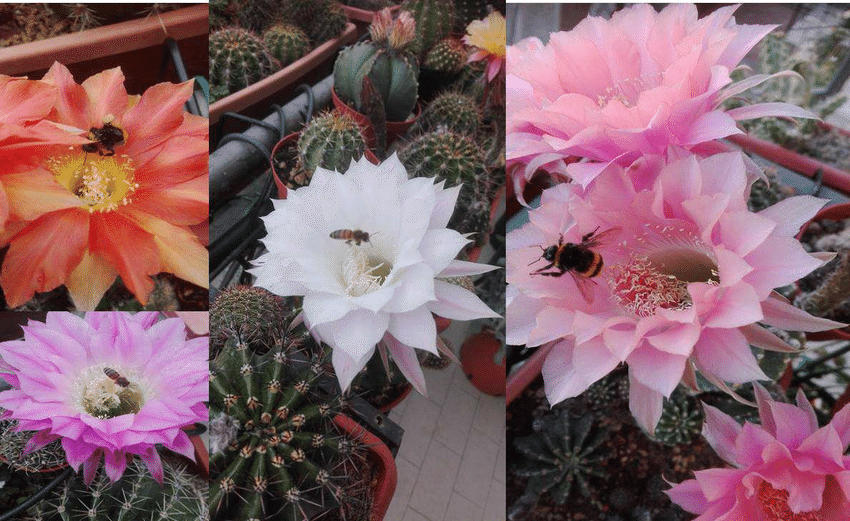
The aim of the research was to improve the growth and quality of Echinopsis hybrids plants. Substrates with added chabazitic-zeolites and Effective microorganisms were used, in addition to assessing seed germination and plant growth after treatment, the test examined whether microorganisms sprayed on flowers could influence and attract pollinating insects. The trial included 4 tests: … Continua a leggere EFFECTIVE MICROORGANISMS AND CHABAZITIC-ZEOLITES FOR THE IMPROVEMENT QUALITY OF ECHINOPSIS HYBRIDS
Improvement Quality and Content of Pepper and Chilli Nitrates Influenced by the Effective Microorganisms

Abstract EM microorganisms are able to increase the soil microfauna, leading to an improvement in field production. Photosynthetic bacteria, contained in Em microorganisms, can in fact, in synergy with other microorganisms, improve the absorption of nutrients from the soil and reduce the incidence of disease. The objective of this trial was to evaluate the influence … Continua a leggere Improvement Quality and Content of Pepper and Chilli Nitrates Influenced by the Effective Microorganisms
Effect of chabazitic-zeolites and effective microorganisms on growth and chemical composition of Aloe barbadensis Miller and Aloe arborescens Miller
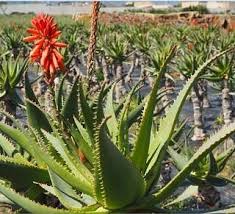
With the aim of improving the growth of plants of Aloe barbadensis and A. arborescens and improve the content of sugars and minerals, several experiments were conducted replacing chabazitic-zeolites with normal inorganic substrates and adding the effective microorganisms (EM) to assess whether they affected plant development. The experiment on both Aloe species involved three treatments: … Continua a leggere Effect of chabazitic-zeolites and effective microorganisms on growth and chemical composition of Aloe barbadensis Miller and Aloe arborescens Miller
IMPROVEMENT QUALITY OF AUBERGINE PLANTS WITH EFFECTIVE MICROORGANISMS
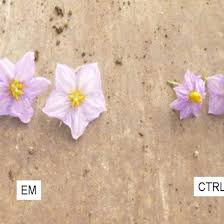
The aim of the study was to investigate how effective microorganisms (EM) affect the quality and growth of aubergine plants. An experiment was carried out with 2 treatments: 1. soil inoculated with EM microorganisms; 2. soil without EM microorganisms (control). Plants treated with the microorganisms Em were significantly higher and showed a larger stem diameter. … Continua a leggere IMPROVEMENT QUALITY OF AUBERGINE PLANTS WITH EFFECTIVE MICROORGANISMS
Article:Improvement Quality and Content of Pepper and Chilli Nitrates Influenced by the Effective Microorganisms.
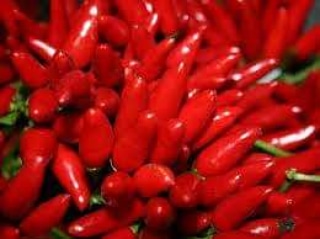
Uso dei microrganismi Em per la biostimolazione di peperone e peperoncino e la riduzione dei nitrati American Scientific Research Journal for Engineering, Technology, and Sciences (ASRJETS) (2019) Volume 53, No 1, pp 176-181 D. Prisa #qualità #peperone #peperoncino #em #rizobatteri
Libro sugli Effective Microorganisms o Em
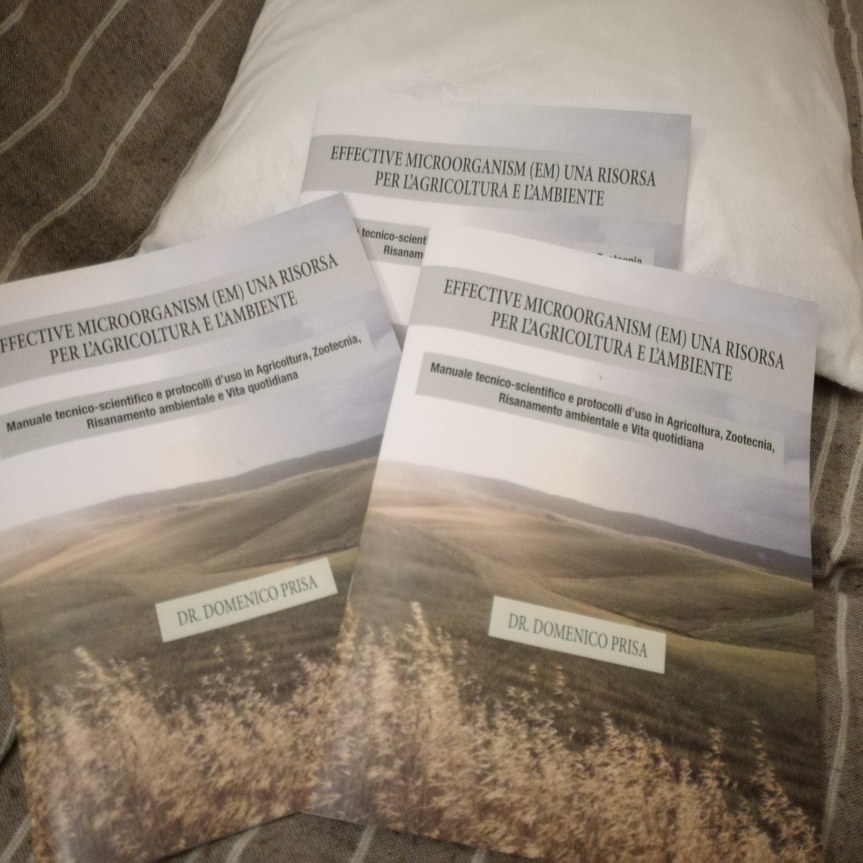
E poi vai a un convegno e incontri persone che hanno il tuo libro....
Getta un seme

Che piacere!!!!! 40 autori che trattano di vari argomenti ambientali. Il libro GETTA UN SEME è stato completato, quindi, il 4 gennaio 2019 lo stamperemo. Buon Natale e Felice anno nuovo. Pier Luigi Ciolli Il 19 Gennaio verrà presentato in anteprima a Pistoia Coordinatore Editoriale #libro #ambiente #domenicoprisa #microorganisms #microrganismi
Article: Batteri lattici, gli Effective Microorganisms e le fioriture per le api

Numerosi studi dimostrano che una comunità microbica equilibrata nel tratto Intestinale è di estrema utilità per un buono stato di salute dell’ape. Prove scientifiche di MOHR e TEBBE (2006) e FOSTER et al. (2007) hanno dimostrato un indebolimento e una moria delle api in seguito ad uno sbilanciamento dei microrganismi dell’ambiente intestinale. I batteri acetici … Continua a leggere Article: Batteri lattici, gli Effective Microorganisms e le fioriture per le api
IL LIBRO: EFFECTIVE MICROORGANISMS (EM) UNA RISORSA PER L’AGRICOLTURA E L’AMBIENTE

Manuale tecnico-scientifico e protocolli d'uso in Agricoltura, Zootecnia, Apicoltura, Risanamento ambientale e vita quotidiana ********************************************************************** Me lo chiedevano da tutto il mondo e alla fine l'ho scritto, intanto in italiano e adesso inizio la versione inglese. Come dico sempre “Pensa e Agisci come se ci fossi tu dall’altra parte”, probabilmente faremmo meno male agli altri … Continua a leggere IL LIBRO: EFFECTIVE MICROORGANISMS (EM) UNA RISORSA PER L’AGRICOLTURA E L’AMBIENTE
 TECNICHE INNOVATIVE PER LA COLTIVAZIONE E DIFESA DELLE PIANTE, L'APICOLTURA, LA ZOOTECNIA E IL RISANAMENTO AMBIENTALE